
Choosing the right premium camera for couples travel means balancing image quality with the weight you are willing to carry. The Sony RX100 VII stands out as the best overall pick because it delivers professional-grade video and stills in a pocketable body that fits in a small purse or jacket pocket. For those who want interchangeable lenses and better low-light performance, the Nikon Z 30 offers a modern mirrorless experience with intuitive controls for quick shots. The main tradeoff you face is between sensor size and convenience; larger sensors capture more detail but add bulk and require more maintenance. This guide breaks down which models actually survive the rigors of travel, helping you decide if a compact point-and-shoot or a lightweight mirrorless system fits your lifestyle best.

Get decor and gifts delivered free with Prime
- Fast, free delivery on millions of items
- Prime Video, Amazon Music and more included
- Member-only deals all year
Complete the kit


Key Takeaways
- Pocketable compacts like the Sony RX100 VII often outperform entry-level mirrorless cameras in video stabilization and zoom range for travel.
- Mirrorless options like the Nikon Z 30 offer better low-light performance but require carrying extra lenses and batteries.
- Action-oriented cameras like the Insta360 Luna Ultra excel at capturing dynamic couple activities but struggle with traditional portrait depth-of-field.
- Budget DSLRs like the Canon Rebel T7 provide excellent image quality for stills but lack the video capabilities and compact size needed for modern travel vlogs.
- Zoom range is a critical differentiator; travel compacts with 30x-60x zoom eliminate the need for multiple heavy lenses.
| Panasonic LUMIX FZ80D 4K Point-and-Shoot Camera with 60x Zoom |  | Best for Long-Range Sightseeing | Camera type: Compact bridge camera | Lens: 20–1200mm equivalent, 60x zoom | Sensor: 18.1MP MOS, 1/2.3-inch | VIEW LATEST PRICE | See Our Full Breakdown |
| Nikon Z 30 Mirrorless Camera with NIKKOR Z DX 16-50mm Zoom Lens |  | Best for Couple Vlogging | Camera type: Mirrorless | Sensor: 20.9MP APS-C CMOS | Included lens: NIKKOR Z DX 16–50mm f/3.5–6.3 VR | VIEW LATEST PRICE | See Our Full Breakdown |
| Panasonic LUMIX ZS99 Compact Camera with 30x Zoom, 4K Video and Travel Bundle |  | Best Pocket Travel Zoom | Lens: 24–720mm equivalent Leica DC, 30x optical zoom | Sensor: 21.1MP MOS, 1/2.3-inch | Video: 4K at 30p; HD high-speed video at 120fps | VIEW LATEST PRICE | See Our Full Breakdown |
| Sony RX100 VII Premium Compact Camera, 20.1MP, 1-Inch CMOS Sensor, Black |  | Best Premium Compact | Sensor: 20.1MP 1-inch stacked CMOS | Lens: ZEISS Vario-Sonnar T 24–200mm f/2.8–4.5 | Autofocus: 357-point phase detection and 425-point contrast detection | VIEW LATEST PRICE | See Our Full Breakdown |
| Canon EOS R100 Mirrorless Camera with RF-S 18-45mm F4.5-6.3 IS STM Lens | 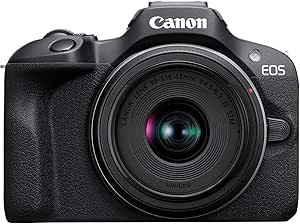 | Best for APS-C Still Photography | Camera type: Mirrorless | Sensor: 24.1MP APS-C CMOS | Processor: DIGIC 8 | VIEW LATEST PRICE | See Our Full Breakdown |
| Insta360 Luna Ultra 8K Vlogging Camera |  | Best for Creative Video Storytelling | Brand: Insta360 | Video Resolution: Up to 8K at 30 fps | Stabilization: 3-axis mechanical | VIEW LATEST PRICE | See Our Full Breakdown |
| Duluvulu 4K Digital Camera |  | Best Budget Entry Point | Video Resolution: 4K (4096 × 2160) | Photo Resolution: 48 MP | Screen: 3-inch LCD, 180° flip | VIEW LATEST PRICE | See Our Full Breakdown |
| Sony Cyber-shot RX100 VII Compact Digital Camera Bundle |  | Best All-Round Premium Compact | Sensor: 20.1 MP, 1-inch stacked CMOS | Lens: ZEISS Vario-Sonnar T* 24–200 mm | Video: 4K HDR (HLG) | VIEW LATEST PRICE | See Our Full Breakdown |
| Canon EOS Rebel T7 DSLR Camera |  | Best for Learning Photography | Sensor: 24.1 MP APS-C CMOS | Lens: EF-S 18–55mm f/3.5–5.6 IS II | Video Resolution: Full HD 1080p | VIEW LATEST PRICE | See Our Full Breakdown |
| premium camera for couples travel | Sensor | Video | Display | Lens |
|---|---|---|---|---|
| Panasonic LUMIX FZ80D 4K Point | 18.1MP MOS, 1/2.3-inch | 4K (3840p), MP4 | 3-inch fixed LCD, 1,840,000 dots | 20–1200mm equivalent, 60x zoom |
| Nikon Z 30 Mirrorless Camera w | 20.9MP APS-C CMOS | 4K | — | — |
| Panasonic LUMIX ZS99 Compact C | 21.1MP MOS, 1/2.3-inch | 4K at 30p; HD high-speed video at 120fps | Tilting touchscreen, 1,840K dots | 24–720mm equivalent Leica DC, 30x optical zoom |
| Sony RX100 VII Premium Compact | 20.1MP 1-inch stacked CMOS | 4K UHD with active stabilization | 3-inch tilting capacitive LCD | ZEISS Vario-Sonnar T 24–200mm f/2.8–4.5 |
| Canon EOS R100 Mirrorless Came | 24.1MP APS-C CMOS | 4K at up to 24 fps; Full HD at up to 60 fps | — | — |
| Insta360 Luna Ultra 8K Vloggin | — | — | 2-inch detachable OLED touchscreen | — |
| Duluvulu 4K Digital Camera | — | — | — | — |
| Sony Cyber-shot RX100 VII Comp | 20.1 MP, 1-inch stacked CMOS | 4K HDR (HLG) | 3-inch tilting touchscreen LCD | ZEISS Vario-Sonnar T* 24–200 mm |
| Canon EOS Rebel T7 DSLR Camera | 24.1 MP APS-C CMOS | — | 3-inch fixed LCD | EF-S 18–55mm f/3.5–5.6 IS II |
More Details on Our Top Picks
Panasonic LUMIX FZ80D 4K Point-and-Shoot Camera with 60x Zoom
For couples who want to photograph wildlife, distant landmarks, or details across a landscape without changing lenses, the FZ80D’s 20–1200mm equivalent 60x zoom is the standout advantage here. It reaches much farther than the Sony RX100 VII’s 24–200mm zoom, making it the more practical choice for far-off subjects, though the Sony has a larger sensor for image quality in more varied light. POWER O.I.S. helps steady the view at long focal lengths, and the electronic viewfinder is useful when bright sun makes an LCD hard to see. The tradeoff is its 1/2.3-inch sensor, which is smaller than the APS-C sensors in the Nikon Z 30 and Canon EOS R100, plus a fixed screen that is less flexible for self-recording. I’d pick it for reach, not low-light versatility.
Pros:- 20–1200mm equivalent lens covers an unusually broad range without lens changes.
- POWER O.I.S. helps reduce shake when using the long zoom.
- Electronic viewfinder is suited to composing in bright sunlight.
- 4K Photo can extract 8MP stills from video.
Cons:- The 1/2.3-inch sensor is smaller than the APS-C sensors in the Nikon Z 30 and Canon EOS R100.
- Fixed LCD limits flexible framing and self-recording.
- At 1.4 lb, it is less pocketable than the LUMIX ZS99.
Best for: Couples who prioritize photographing wildlife, distant scenery, or outdoor details without carrying extra lenses.
Not ideal for: Travelers who often shoot indoors or at night, or couples who want a screen that flips toward them for self-recorded video.
- Camera type:Compact bridge camera
- Lens:20–1200mm equivalent, 60x zoom
- Sensor:18.1MP MOS, 1/2.3-inch
- Video:4K (3840p), MP4
- Image stabilization:POWER O.I.S. optical
- Viewfinder:Electronic, 2,360K dots
- Display:3-inch fixed LCD, 1,840,000 dots
- Weight:1.4 lb
Our verdict“Choose the FZ80D if long-distance reach matters more to your trip than a pocketable body or a larger sensor.”
Nikon Z 30 Mirrorless Camera with NIKKOR Z DX 16-50mm Zoom Lens
The Nikon Z 30 is the most video-oriented choice in this group for couples who want to record themselves as well as the trip. Its flip-out touchscreen makes it easier to frame both people in a clip, while eye-detection autofocus can help keep faces in focus without constant adjustments. Compared with the Canon EOS R100, it offers a more flexible screen and 4K video without the stated central-area crop limitation, making it better suited to casual travel vlogging. The 20.9MP APS-C sensor also gives it a different starting point from the smaller-sensor LUMIX ZS99. Its main compromise is the included 16–50mm lens: the f/3.5–6.3 range is not especially bright, and it cannot match the long reach of the FZ80D or ZS99. There is also no electronic viewfinder for sunny still-photo outings.
Pros:- Flip-out touchscreen helps frame both people while recording.
- 20.9MP APS-C sensor offers a larger sensor format than the LUMIX ZS99.
- Eye detection supports focus on people and pets.
- USB-C, HDMI, and webcam support add flexible video use.
Cons:- Included 16–50mm lens has a maximum aperture range of f/3.5–6.3.
- No electronic viewfinder for composing in bright sunlight.
- The included zoom has less reach than the FZ80D and LUMIX ZS99.
Best for: Couples who want a compact interchangeable-lens camera for 4K travel clips, self-recording, and portraits.
Not ideal for: Travelers seeking a built-in long zoom, an electronic viewfinder, or a bright included lens for dim interiors.
- Camera type:Mirrorless
- Sensor:20.9MP APS-C CMOS
- Included lens:NIKKOR Z DX 16–50mm f/3.5–6.3 VR
- Video:4K
- Autofocus:Eye detection for people, cats, and dogs
- Screen:3-inch flip-out touchscreen LCD
- Continuous shooting:Up to 11 fps
- Weight:12.32 oz
Our verdict“Pick the Z 30 if filming yourselves is a core part of the trip and a flip-out screen matters more than long zoom reach.”
Panasonic LUMIX ZS99 Compact Camera with 30x Zoom, 4K Video and Travel Bundle
The LUMIX ZS99 suits couples who want one small camera ready for street scenes, landmarks, and quick travel clips. Its 24–720mm equivalent 30x zoom reaches well beyond a typical compact lens while remaining pocket-sized, a useful middle ground between the long-reaching but larger FZ80D and the more limited 24–200mm Sony RX100 VII. The tilting touchscreen helps with low-angle framing and casual self-recording, while USB-C charging and Bluetooth sharing fit a travel routine that favors fewer cables and quick phone transfers. It also records 4K and high-speed HD video. The central compromise is the 1/2.3-inch sensor: compared with the Sony’s 1-inch sensor or the APS-C Nikon Z 30, it offers less sensor area for challenging light. Choose it for portability and zoom flexibility, not maximum image quality in dim conditions.
Pros:- Pocket-sized body pairs with a 24–720mm equivalent 30x optical zoom.
- Tilting touchscreen supports flexible framing.
- USB-C charging and Bluetooth sharing suit travel use.
- Offers 4K video, 4K Photo bursts, and 120fps HD video.
Cons:- The 1/2.3-inch sensor is smaller than the Sony RX100 VII’s 1-inch sensor and the APS-C sensors in the Nikon Z 30 and Canon EOS R100.
- Its fixed-lens system does not offer the lens-upgrade flexibility of the mirrorless options.
Best for: Couples who want a pocketable camera with useful zoom reach, phone-friendly sharing, and simple charging on the road.
Not ideal for: Travelers who prioritize low-light image quality, a larger sensor, or interchangeable lenses over pocket-size convenience.
- Lens:24–720mm equivalent Leica DC, 30x optical zoom
- Sensor:21.1MP MOS, 1/2.3-inch
- Video:4K at 30p; HD high-speed video at 120fps
- 4K Photo:30fps
- Image stabilization:5-Axis HYBRID O.I.S.+
- Display:Tilting touchscreen, 1,840K dots
- Connectivity:Bluetooth 5.0 and Wi-Fi
- Charging:USB Type-C
Our verdict“Choose the ZS99 if you want broad zoom range in a pocketable travel camera and can accept a small sensor.”
Sony RX100 VII Premium Compact Camera, 20.1MP, 1-Inch CMOS Sensor, Black
For couples who want a high-end compact without stepping up to an interchangeable-lens kit, the Sony RX100 VII is the most balanced premium pick here. Its 1-inch stacked sensor is larger than the sensors in the LUMIX ZS99 and FZ80D, while its 24–200mm ZEISS zoom keeps the body versatile for portraits, city scenes, and moderate-distance details. Fast subject tracking and up to 20 fps shooting help with fleeting moments, and active stabilization supports handheld 4K clips. The Nikon Z 30 and Canon EOS R100 offer APS-C sensors and lens changes, but their included lenses cover less range; the Sony keeps the setup compact and self-contained. The tradeoff is reach: it cannot match either Panasonic’s long zoom. Its telephoto aperture also narrows to f/4.5, and recording capacity is listed as 30 minutes.
Pros:- 1-inch stacked CMOS sensor is larger than the sensors in the Panasonic compact zooms.
- 24–200mm ZEISS lens balances wide views and moderate telephoto reach.
- Real-time tracking autofocus and up to 20 fps shooting suit moving subjects.
- Active 4K stabilization, tilting screen, and microphone jack support video creation.
Cons:- The 200mm telephoto limit falls short of the FZ80D and LUMIX ZS99.
- Maximum aperture narrows to f/4.5 at the telephoto end.
- Recording capacity is listed as 30 minutes.
Best for: Couples who want a premium all-in-one compact for portraits, city travel, and stabilized 4K clips without carrying spare lenses.
Not ideal for: Travelers who need extreme telephoto reach, longer uninterrupted recording, or the lens flexibility of a mirrorless system.
- Sensor:20.1MP 1-inch stacked CMOS
- Lens:ZEISS Vario-Sonnar T 24–200mm f/2.8–4.5
- Autofocus:357-point phase detection and 425-point contrast detection
- Continuous shooting:Up to 20 fps
- Video:4K UHD with active stabilization
- Display:3-inch tilting capacitive LCD
- Viewfinder:Electronic
- Weight:1.3 lb
Our verdict“Choose the RX100 VII if you want a premium compact with a larger sensor and dependable range, rather than extreme zoom or interchangeable lenses.”
Canon EOS R100 Mirrorless Camera with RF-S 18-45mm F4.5-6.3 IS STM Lens
The EOS R100 is a straightforward way for couples to step into a camera system with a 24.1MP APS-C sensor and an included standard zoom. That larger sensor format sets it apart from the LUMIX ZS99 and FZ80D, which are more convenient when built-in zoom range matters, but use smaller 1/2.3-inch sensors. Face and eye detection can help keep people in focus during portraits, and the RF-S 18–45mm lens covers everyday travel scenes without adding much kit. Compared with the Nikon Z 30, the Canon is more stills-oriented in its supplied setup, but the Z 30 is the stronger fit for couples filming themselves thanks to its flip-out screen. The R100’s fixed LCD and 4K at 24 fps with a central-area crop narrow its video flexibility. It makes more sense for photos than for vlogging.
Pros:- 24.1MP APS-C sensor offers a larger sensor format than the Panasonic compact zooms.
- Included RF-S 18–45mm lens covers common everyday travel scenes.
- Face and eye detection support people-focused photography.
- Compact mirrorless body leaves room to expand into the Canon RF system.
Cons:- 4K is limited to 24 fps and uses the central area of the sensor.
- Fixed LCD is less useful for self-recording than the Nikon Z 30’s flip-out screen.
- The included 18–45mm lens has less reach than the Panasonic zoom cameras.
Best for: Couples who want an approachable APS-C mirrorless camera for portraits and everyday travel photos, with room to add RF lenses later.
Not ideal for: Couples who plan frequent self-recorded video, need a flip-out screen, or want long-range zoom without buying another lens.
- Camera type:Mirrorless
- Sensor:24.1MP APS-C CMOS
- Processor:DIGIC 8
- Included lens:RF-S 18–45mm f/4.5–6.3 IS STM
- Autofocus:Dual Pixel CMOS AF, up to 143 zones
- Video:4K at up to 24 fps; Full HD at up to 60 fps
- Screen:3-inch fixed LCD
- Connectivity:Bluetooth, Wi-Fi, USB, and HDMI
Our verdict“Choose the EOS R100 if still photos and an APS-C sensor matter more than flexible 4K video or a built-in long zoom.”
Insta360 Luna Ultra 8K Vlogging Camera
This camera stands out for couples who prioritize cinematic video quality over traditional photography. With 8K Dolby Vision recording and 3-axis mechanical stabilization, it captures smooth, high-dynamic-range footage that rivals dedicated cinema cameras. Unlike the Sony Cyber-shot RX100 VII, which excels in stills, the Luna Ultra focuses on video workflows, offering 10-bit I-Log for serious color grading. The detachable touchscreen is a unique advantage for vlogging, allowing remote framing without awkward angles. However, the conflicting zoom specs and limited 4-hour battery life are significant drawbacks for all-day travel shoots. It is a specialized tool, not a general-purpose camera.
Pros:- 8K Dolby Vision recording provides professional HDR video capabilities.
- 3-axis mechanical stabilization ensures smooth footage even while walking.
- Detachable 2-inch OLED touchscreen allows for flexible remote composition.
- 10-bit I-Log recording offers extensive post-production color grading options.
Cons:- Conflicting zoom specifications listed in product details create uncertainty.
- Battery life is limited to approximately 4 hours per charge.
- Specialized video focus may compromise ease of use for casual still photography.
Best for: Vloggers and content creators who need professional-grade video stabilization and color flexibility for travel diaries.
Not ideal for: Couples who primarily shoot high-resolution stills or require long battery life without frequent charging breaks.
- Brand:Insta360
- Video Resolution:Up to 8K at 30 fps
- Stabilization:3-axis mechanical
- Display:2-inch detachable OLED touchscreen
- Battery Life:Up to 4 hours
- Zoom:6× lossless; 15× optical (listed)
- Connectivity:Wi-Fi
Our verdict“Choose this if you are a video-first creator who needs robust stabilization and color grading tools for travel vlogs.”
Duluvulu 4K Digital Camera
This model serves as an accessible entry point for couples who want 4K video without the premium price tag. The 180° flip screen makes it easy to capture selfies and vlogs, a feature often missing in budget point-and-shoots. While it offers 48MP stills, the 1/3-inch sensor limits low-light performance compared to the Canon EOS Rebel T7‘s APS-C sensor. The inclusion of two batteries and an SD card is a practical touch for travel. However, the 16x digital zoom degrades image quality significantly when extended, unlike the optical zoom found in the Sony RX100 VII. It is a convenient, compact option for casual users who prioritize form factor over optical fidelity.
Pros:- 180° flip screen facilitates easy selfie and vlog recording.
- Compact size fits easily into small travel bags or pockets.
- Includes two rechargeable batteries and a 32 GB SD card.
- Supports USB webcam functionality for video calls.
Cons:- Digital zoom only, resulting in quality loss at longer focal lengths.
- Small 1/3-inch sensor struggles in low-light environments.
- SD card support limited to 128 GB maximum.
Best for: Travelers on a tight budget who want a compact, easy-to-use camera for social media content and casual vlogging.
Not ideal for: Photographers who need high-quality zoom capabilities or perform well in low-light conditions due to the small sensor.
- Video Resolution:4K (4096 × 2160)
- Photo Resolution:48 MP
- Screen:3-inch LCD, 180° flip
- Sensor Size:1/3 inch
- Zoom:16x digital
- Included Batteries:2 rechargeable lithium-ion
- Storage Support:Up to 128 GB SD card
Our verdict“A solid choice for casual travelers who want basic 4K video and selfies without investing in high-end optics.”
Sony Cyber-shot RX100 VII Compact Digital Camera Bundle
The Sony RX100 VII remains the benchmark for premium compact cameras, balancing portability with professional-grade features. Its 24–200 mm ZEISS zoom lens offers versatile framing, from wide landscapes to close-ups, without needing lens changes. The Eye AF and real-time tracking ensure sharp portraits of your partner, outperforming the fixed-focus or slower systems in budget models. Compared to the Insta360 Luna Ultra, this Sony model is far superior for still photography and general-purpose shooting. The bundled accessories, including extra batteries and a 128GB card, add significant travel value. The main tradeoff is the variable aperture (F2.8–F4.5), which restricts background blur at the telephoto end, but the overall versatility makes it a top-tier choice for discerning travelers.
Pros:- Versatile 24–200 mm zoom lens covers wide to telephoto needs.
- Advanced Eye AF and subject tracking ensure sharp portraits.
- Bundle includes essential travel accessories like extra batteries and case.
- 1-inch sensor provides better image quality than smaller compact sensors.
Cons:- Aperture narrows to F4.5 at the long end, limiting bokeh.
- Touchscreen resolution is lower than premium competitors.
- No built-in optical viewfinder in this specific bundle configuration (check model variant).
Best for: Couples who want a pocketable camera that delivers professional stills and video with a versatile zoom range.
Not ideal for: Users who need extreme low-light performance with fast apertures throughout the entire zoom range.
- Sensor:20.1 MP, 1-inch stacked CMOS
- Lens:ZEISS Vario-Sonnar T* 24–200 mm
- Video:4K HDR (HLG)
- Autofocus Points:425
- Display:3-inch tilting touchscreen LCD
- Bundle Includes:128GB SDHC card, 2 batteries, case, tripod
- Connectivity:Wi-Fi, Bluetooth, HDMI, USB
Our verdict“The ideal premium compact for couples who refuse to compromise on lens versatility or autofocus speed.”
Canon EOS Rebel T7 DSLR Camera
The Canon EOS Rebel T7 is the definitive choice for couples who want to learn photography fundamentals. Its 24.1 MP APS-C sensor delivers superior image quality and low-light performance compared to the small sensors in the Duluvulu or even the Sony RX100 VII. The optical viewfinder provides a natural, lag-free view, which is preferable for many users over electronic displays. While it is larger and heavier than compact options, the interchangeable lens system allows for future upgrades. The fixed LCD screen is a notable limitation for vlogging or low-angle shots, unlike the flip screens on other models. However, for capturing high-quality travel memories with creative control over depth of field and exposure, this DSLR remains a powerful, educational tool.
Pros:- Large APS-C sensor offers excellent image quality and low-light performance.
- Interchangeable lens system allows for creative growth and upgrades.
- Optical viewfinder provides a natural, real-time viewing experience.
- User-friendly interface ideal for beginners learning manual settings.
Cons:- Fixed LCD screen hinders vlogging and creative low-angle shooting.
- Bulkier and heavier than compact or mirrorless alternatives.
- Slower continuous shooting speed limits sports or action capture.
Best for: Enthusiasts who want to learn manual photography controls and value image quality over portability.
Not ideal for: Vloggers or travelers who need a compact, flip-screen camera for easy self-recording.
- Sensor:24.1 MP APS-C CMOS
- Lens:EF-S 18–55mm f/3.5–5.6 IS II
- Video Resolution:Full HD 1080p
- Display:3-inch fixed LCD
- Connectivity:Wi-Fi, NFC, HDMI, USB
- Continuous Shooting:3 frames per second
- Weight:1 lb
Our verdict“Pick this if you prioritize image quality and educational value over compactness and video features.”

How We Picked
I evaluated these cameras based on three pillars specific to couples travel: portability, ease of use for two people, and versatility in varying lighting conditions. A camera that requires a PhD in photography settings will gather dust in a hotel room, so I prioritized models with intuitive autofocus and reliable point-and-shoot modes. I also weighed the physical footprint; a premium camera is useless if it is too heavy to carry all day or too large to fit in carry-on luggage without taking up valuable space. Battery life and durability were also key factors, as travel often involves long days without immediate access to charging outlets.
The ranking logic reflects a hierarchy of convenience versus quality. Top picks are those that offer the highest quality-to-weight ratio, meaning you get near-professional results without the professional burden. Mid-tier options compromise on one aspect for the other, such as superior zoom in a smaller body or better sensor size at the cost of pocketability. Lower-ranked models are included for specific niche needs, such as extreme budget constraints or specialized video formats, but they generally lack the all-around polish required for a seamless travel experience.
| premium camera for couples travel | Connectivity |
|---|---|
| Panasonic LUMIX FZ80D 4K Point | — |
| Nikon Z 30 Mirrorless Camera w | — |
| Panasonic LUMIX ZS99 Compact C | Bluetooth 5.0 and Wi-Fi |
| Sony RX100 VII Premium Compact | — |
| Canon EOS R100 Mirrorless Came | Bluetooth, Wi-Fi, USB, and HDMI |
| Insta360 Luna Ultra 8K Vloggin | Wi-Fi |
| Duluvulu 4K Digital Camera | — |
| Sony Cyber-shot RX100 VII Comp | Wi-Fi, Bluetooth, HDMI, USB |
| Canon EOS Rebel T7 DSLR Camera | Wi-Fi, NFC, HDMI, USB |
Factors to Consider When Choosing Premium Camera For Couples Travel
Selecting a camera for travel is different from choosing one for studio work or sports. You are dealing with unpredictable lighting, limited carrying capacity, and the need to capture both landscapes and intimate moments quickly. This section clarifies the broader factors that should dictate your final decision, moving beyond spec sheets to real-world usability.
Sensor Size Versus Pocketability
The debate between 1-inch sensors and APS-C sensors is the central tension in this category. A larger APS-C sensor, found in cameras like the Nikon Z 30, captures more light and provides better background blur, which is ideal for artistic portraits. However, this comes with a larger body and heavier lenses that can become a burden after a day of walking. A 1-inch sensor, as seen in the Sony RX100 VII, is smaller but still capable of producing high-quality images that look fantastic on social media and in prints up to A3 size. For most couples, the ability to carry the camera all day without neck strain outweighs the marginal gain in low-light performance from a larger sensor. If you prioritize pure image quality above all else and do not mind extra weight, go for the larger sensor; otherwise, the compact advantage is more practical for travel.
The Importance of Zoom Range
Travel photography often involves subjects that are far away, such as architectural details, wildlife, or distant landscapes. Carrying multiple prime lenses to cover these distances is impractical for a leisure trip. This is where zoom range becomes a decisive factor. Cameras with extensive optical zoom, like the Panasonic LUMIX FZ80D or ZS99, allow you to capture details from across a square without physically moving closer. Mirrorless cameras with standard kit lenses often lack this reach, forcing you to buy an additional telephoto lens. When evaluating options, consider whether the included lens covers the focal lengths you use most. A versatile zoom lens in a compact body eliminates the need for lens changes, which reduces the risk of dust getting on the sensor and ensures you never miss a moment while swapping glass.
Video Stabilization for Travel Vlogs
Modern travel memories are often video-based, and shaky footage can ruin even the best moments. While gimbals provide the smoothest results, they add another item to carry and require setup time. Built-in In-Body Image Stabilization (IBIS) or robust electronic stabilization is a major advantage for travel cameras. The Sony RX100 VII and newer mirrorless models feature advanced stabilization algorithms that compensate for hand shake while walking. If you plan to film yourselves exploring a city, prioritize cameras with strong stabilization features. Entry-level DSLRs often lack effective video stabilization, resulting in jerky footage that requires heavy post-processing to fix. Check for models that offer ‘active’ or ‘steady’ modes specifically designed for handheld walking shots.
Battery Life and Charging Flexibility
Travel days are long, and finding a power outlet in a foreign country can be challenging. A camera that dies at sunset is a significant inconvenience. Look for models that support USB-C charging, allowing you to recharge using a power bank, laptop, or car charger. This flexibility is more valuable than raw battery capacity in many cases. The Canon EOS R100 and Sony RX100 VII support USB charging, which means you can keep shooting throughout the day by simply plugging into a portable battery. Older DSLRs like the Canon Rebel T7 often require proprietary chargers and wall outlets, forcing you to plan your shooting schedule around battery swaps. Carrying multiple batteries is an option, but USB flexibility reduces the number of accessories you need to pack.
Durability and Weather Resistance
Travel exposes your gear to dust, humidity, rain, and accidental bumps. Premium cameras often feature weather-sealed bodies that protect internal components from the elements. While no camera is waterproof, weather resistance adds a layer of security when shooting in coastal or tropical destinations. Compact cameras generally have fewer moving parts and are more resistant to minor impacts than mirrorless systems with exposed sensors when changing lenses. If you are traveling to rugged environments, consider the build quality and seal rating of your chosen model. For city breaks and hotel stays, this is less of a concern, but for hiking or beach trips, a robust body or a protective case is a wise investment. Weigh the cost of repairs against the likelihood of environmental exposure in your destination.
Frequently Asked Questions
Do I really need a mirrorless camera if I mostly shoot with my smartphone?
Yes, if you want higher quality zoom and low-light performance that smartphones cannot match. While modern phones have excellent computational photography, they struggle with optical zoom and dynamic range in complex lighting. A compact premium camera like the Sony RX100 VII offers a true optical zoom lens that maintains image quality at distance, whereas phones use digital zoom that degrades resolution. Additionally, dedicated cameras provide better depth-of-field control for portraits, creating a more professional look that software simulation cannot fully replicate. If your goal is to elevate your travel photos beyond social media filters, a dedicated camera is worth the extra pocket space.
Is it better to buy a bundle with accessories or just the camera body?
Bundles can be convenient for beginners who want everything in one box, but they often include lower-quality items. For example, a bundle might include a slow SD card or a basic tripod that will not last. It is often smarter to buy the camera body and invest in a high-quality, fast SD card and a comfortable neck or wrist strap. These two items directly impact your shooting experience and data safety. However, if a bundle includes a specific lens you need or a protective case at a significant discount, it can be a good deal. Evaluate the individual value of the accessories before assuming the bundle saves money.
How much storage do I need for a two-week trip?
For high-resolution stills and 4K video, a 128GB card is generally sufficient for two weeks if you offload files occasionally. 4K video consumes space rapidly, so if you film extensively, consider carrying two 128GB cards or one 256GB card. The Duluvulu 4K Digital Camera and similar models with high megapixel counts will fill cards faster due to large file sizes. It is also wise to have a backup strategy, such as transferring files to a laptop or cloud storage at the end of each day. Running out of space mid-trip is disruptive, so err on the side of more capacity than you think you need, especially if you shoot in RAW format.
Can I use a travel camera for professional client work?
Most compact travel cameras are not suitable for professional client work that requires high-resolution prints or extensive editing flexibility. While the Sony RX100 VII produces excellent images for personal use, professional clients often expect the dynamic range and resolution of full-frame or medium-format sensors. However, for social media content creation or smaller print sizes, these cameras can perform adequately. If you are mixing personal travel with professional gigs, a mirrorless system like the Canon EOS R100 or Nikon Z 30 offers a better balance of quality and portability. Always check the specific requirements of your clients regarding resolution and file format before relying on a travel compact.
What is the biggest mistake couples make when choosing a travel camera?
The most common mistake is over-buying weight and complexity. Couples often invest in a large DSLR or high-end mirrorless setup with multiple lenses, only to leave it in the hotel because it is too cumbersome to carry all day. A camera that stays in the bag captures zero memories. The best camera is the one you will actually use. Start with a compact premium option or a lightweight mirrorless kit with a single versatile lens. You can always add gear later if you find your style demands it. Prioritizing ease of use and portability ensures you capture spontaneous moments rather than missing them while fiddling with settings.
Conclusion
Choosing the right premium camera for couples travel depends on your tolerance for weight and your desire for creative control. For the best balance of quality and convenience, the Sony RX100 VII is the top recommendation; it fits in a pocket, shoots excellent video, and handles zoom beautifully. If you want interchangeable lenses and better low-light performance, the Nikon Z 30 is the ideal entry into mirrorless photography without excessive bulk. For those on a tighter budget who prioritize stills over video, the Canon EOS Rebel T7 remains a reliable workhorse, though it lacks modern compact conveniences. Ultimately, the best camera is the one you will carry every day, so prioritize portability and ease of use over marginal spec differences.