TL;DR
House Beautiful has revisited its 1994 feature on Ina Garten’s renovation of an old farmhouse in East Hampton, New York. The archive story describes a light-filled, five-room home designed for casual entertaining, with input from designer Robert Currie, Martha Stewart and Garten’s husband, Jeffrey.
House Beautiful has revisited its 1994 feature on Ina Garten’s renovation of an old farmhouse in East Hampton, New York, recalling how the future cookbook author shaped the five-room home into a relaxed place for hosting. The original report describes Garten’s practical design choices and credits help from interior designer Robert Currie, Martha Stewart and her husband, Jeffrey.

Get decor and gifts delivered free with Prime
- Fast, free delivery on millions of items
- Prime Video, Amazon Music and more included
- Member-only deals all year
The original article, written by Carol Prisant and photographed by Scott Francis, followed Garten after she moved her Barefoot Contessa specialty food store from Westhampton to East Hampton. Garten and Jeffrey chose to settle nearby, transforming a cramped, run-down farmhouse rather than buying a new-build home. The article says the renovation created an airy retreat suited to the couple and the guests Garten regularly fed.
Among the decisions detailed in the feature was the paint. Garten initially considered a vanilla shade, but test patches appeared too white or too yellow. She recalled having samples across the walls while the painter urged her to stop testing. The solution came from a primer shade she liked: khaki mixed with white. The home used two values of that color, paired with brown-green upholstery in the living room.
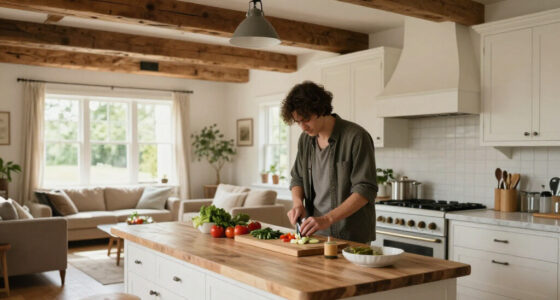
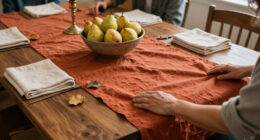
The feature also records a restrained approach to furnishings. Garten said items should have a function, and the rooms were furnished with a small number of large tables, substantial upholstered pieces and, in the bedroom, a brass bed and two chairs. The kitchen was described as sunny and practical, with major appliances but few decorative tools. A large old produce table, green McCoy pottery and an antique trestle table used as a desk and dining surface helped give the rooms their working, informal character.
A Home Planned for Guests
The archive feature offers an early account of the hosting style that later became closely associated with Garten’s public image: informal meals, useful rooms and an invitation for guests to make themselves comfortable. In the 1994 story, she described serving Sunday afternoon food such as crab cake sandwiches and leaving doors open so guests could move between the house and porch.
The renovation is also a useful record of Garten’s design priorities before her later television and publishing career made her a household name. The report presents the farmhouse not as a formal showpiece, but as a place organized around cooking, eating and entertaining. Its emphasis on function, open circulation and unfussy furnishings helps explain why the feature remains relevant to readers interested in the origins of her familiar approach to home and food.
Popular right now

Bose QuietComfort Ultra Headphones Gen 1, Lunar Blue

Breville Bambino Espresso Machine, Brushed Stainless Steel

Roborock Q10 S5+ Robot Vacuum and Mop with Self-Emptying Station
As an affiliate, we earn on qualifying purchases.
From Specialty Store to Farmhouse
Garten acquired the Barefoot Contessa specialty store in Westhampton after seeing an advertisement for business opportunities, according to the 1994 report. She later moved the business to East Hampton. The article recalled that she entered the food trade without knowing how to slice smoked salmon or judge whether Brie was ripe, then built the store into a popular food destination.
Before that career change, Garten worked in nuclear energy policy planning. The archived article describes her move into food as a sharp change in direction and portrays entertaining as central to her home life. Jeffrey, whose work included teaching at Columbia, writing and investment banking, was part of that domestic routine. The farmhouse renovation followed the store’s move and gave the couple a nearby home suited to Garten’s frequent gatherings.
House Beautiful’s current Archive Dive series returns to stories from the magazine’s long-running archive. Its account identifies this farmhouse feature as a 1994 story and notes that the house appeared on the magazine’s June 1994 cover. The renewed presentation is an archival look back, not a report that Garten has undertaken a new renovation.
“This is a kitchen with nothing to prove.”
— House Beautiful’s 1994 feature
What the Archive Does Not Update
The renewed feature does not establish the farmhouse’s current condition, ownership or use. It also does not give a detailed account of every renovation decision or specify the precise roles Martha Stewart and Currie played in individual projects. The archive introduction says Garten had help from them, but the original material provided here offers limited detail about that collaboration.
The account is a retrospective presentation of a 1994 magazine story, not a new interview or a current assessment of the property. The source material does not say whether the home’s layout, furnishings or garden have changed since the photographs and reporting were made.
The Archive Series Continues
House Beautiful presents the farmhouse story as part of its ongoing Archive Dive series, which returns to past magazine features and discusses why they still resonate. The publication has not provided a date for the next installment in the material available here.
For readers, the next step is to view the archived feature and its photographs for the full record of the 1994 renovation. Any claims about the house’s present-day status would require newer reporting; this retrospective does not provide that update.
Key Questions
What is House Beautiful revisiting?
It is revisiting its 1994 feature on Ina Garten’s renovation of an old farmhouse in East Hampton, New York, as part of the magazine’s Archive Dive series.
Who helped Garten with the renovation?
The archive introduction says Garten had help from Robert Currie, Martha Stewart and her husband, Jeffrey. It does not detail each person’s specific contribution to individual projects.
What was the farmhouse like after the renovation?
The 1994 report describes an airy, five-room home with practical furnishings, a sunny kitchen and spaces planned for casual gatherings. It also documents a garden and porch used as part of Garten’s entertaining routine.
What remains unknown about the house?
The retrospective does not report the farmhouse’s current condition, ownership or use, or whether its rooms and garden have changed since the 1994 feature.
Source: housebeautiful.com