TL;DR

Get decor and gifts delivered free with Prime
- Fast, free delivery on millions of items
- Prime Video, Amazon Music and more included
- Member-only deals all year
The City of Los Angeles has officially reopened its recycled water fill station for the 2026 season. The station aims to promote water conservation by providing recycled water for public use. This development is part of ongoing efforts to address drought conditions and reduce reliance on imported water sources.
The City of Los Angeles has officially reopened its recycled water fill station for the 2026 season, aiming to bolster water conservation efforts amidst ongoing drought conditions. The LADWP announced the reopening on March 25, 2026, emphasizing its role in providing sustainable water sources for residents and businesses. The station’s reopening is a key component of the city’s broader strategy to reduce dependence on imported water and promote environmentally responsible practices.
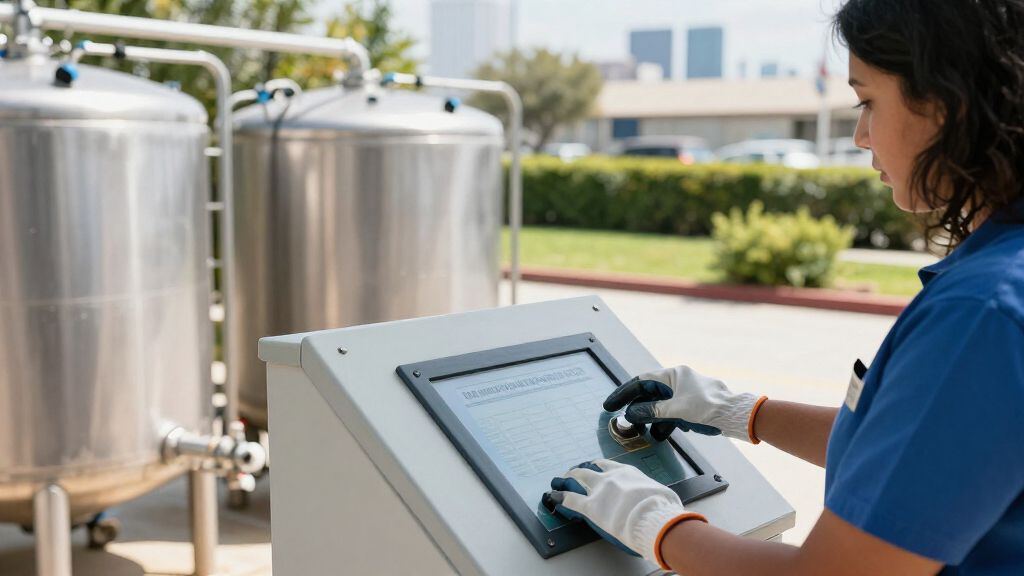
The recycled water fill station, located in the Van Nuys area, will be available to the public starting April 1, 2026. It offers non-potable recycled water, primarily for landscape irrigation, industrial use, and other approved applications. The LADWP states that the station has undergone safety inspections and operational testing ahead of its reopening, ensuring compliance with health and safety standards.
According to LADWP spokesperson Maria Lopez, the station is part of the city’s ongoing efforts to expand sustainable water infrastructure. “Recycled water is a vital resource in our drought response strategy,” Lopez said. “By reopening this station, we are providing residents and businesses with an alternative water source that reduces strain on our potable water supplies.”
The station will operate daily from 8 a.m. to 6 p.m., with safety protocols in place, including signage and staff oversight to ensure proper use. The city encourages residents to utilize recycled water where appropriate and to follow all posted guidelines to prevent misuse or contamination.
Impact on Los Angeles Water Conservation Goals
The reopening of the recycled water fill station is a tangible step toward Los Angeles’ broader water conservation goals, which aim to reduce reliance on imported water by 20% over the next decade. This initiative supports efforts to mitigate drought impacts, protect local water supplies, and promote sustainable urban practices.
Environmental advocates and city officials alike see the station as a critical resource for managing water demand, especially during ongoing drought conditions that have strained California’s water infrastructure. The availability of recycled water for non-potable uses can significantly decrease the volume of drinking water used for landscaping and industrial purposes, thereby conserving potable supplies for essential needs.
Moreover, the station’s reopening aligns with regional policies encouraging water reuse and sustainable urban development, positioning Los Angeles as a leader in innovative water management strategies.
recycled water hose for irrigation
As an affiliate, we earn on qualifying purchases.
As an affiliate, we earn on qualifying purchases.
Previous Recycled Water Initiatives in LA
Los Angeles has a history of implementing water reuse projects, including the development of several recycled water facilities over the past decade. The city’s first major recycled water program began in 2015, focusing on large-scale reuse for parks, golf courses, and industrial sites.
The recycled water fill station in Van Nuys was initially established in 2018 but was temporarily closed for upgrades and safety improvements in late 2025. Its reopening in 2026 marks the culmination of these efforts, reflecting ongoing commitments to expanding recycled water infrastructure.
This initiative is part of a broader regional push, with neighboring cities also investing in water reuse projects to combat drought and climate change impacts.
“Recycled water is a vital resource in our drought response strategy. By reopening this station, we are providing residents and businesses with an alternative water source that reduces strain on our potable water supplies.”
— Maria Lopez, LADWP spokesperson
Remaining Questions About Usage and Capacity
It is not yet clear how much recycled water the station will supply during the upcoming season or whether additional facilities will be added to expand capacity. Details regarding potential future upgrades or expansions are still under discussion by LADWP officials.
Additionally, there is some uncertainty about public awareness and participation levels, as city officials plan outreach campaigns to promote recycled water use.
Upcoming Outreach and Monitoring Efforts
Following the reopening, LADWP plans to initiate public outreach campaigns to educate residents and businesses about the benefits and proper use of recycled water. The city will also monitor station usage and safety compliance throughout the season to evaluate its effectiveness and identify areas for improvement.
Further updates on capacity, operational hours, and potential expansion projects are expected later in 2026, as the city assesses the program’s impact on water conservation goals.
Key Questions
Who can use the recycled water fill station?
The station is open to the public, primarily for landscape irrigation, industrial, and other approved non-potable uses. Users must follow posted guidelines and safety protocols.
Is recycled water safe for all uses?
Recycled water provided at the station is treated to meet safety standards for non-potable applications. It is not suitable for drinking or personal use.
Will the station operate year-round?
The station will operate daily from 8 a.m. to 6 p.m. during the 2026 season, starting April 1. Operational hours may be adjusted in future seasons based on demand and safety considerations.
Are there plans to expand recycled water infrastructure in LA?
Yes, LADWP and city officials are exploring options for additional facilities and infrastructure upgrades to increase recycled water capacity and accessibility in coming years.
How does this initiative help Los Angeles address drought?
Using recycled water reduces demand on potable water supplies, helping to conserve drinking water during drought conditions and lessen reliance on imported water sources.
Source: local
Fall Picks
fall essentials
As an affiliate, we earn on qualifying purchases.