

Valentine symbols like the heart, roses, and Cupid each carry deep meanings rooted in history and culture. The heart represents love and emotional depth, while roses, especially red, symbolize passionate romance, with different colors holding unique messages. Cupid, the playful Roman god of love, is known for striking hearts with his arrows. These symbols reflect centuries of tradition, mythology, and cultural beliefs about love. If you want to explore the origins and significance behind these symbols, keep going.

Get decor and gifts delivered free with Prime
- Fast, free delivery on millions of items
- Prime Video, Amazon Music and more included
- Member-only deals all year
Key Takeaways
- The heart symbolizes love, emotional depth, and compassion across Western cultures, originating from ancient Greece and Rome.
- Red roses represent deep romantic passion, while white roses signify purity and new beginnings.
- Cupid, the Roman god of love, embodies playful yet fateful aspects of love through his bow and arrow.
- Cultural variations, like the lotus or cherry blossom, reflect different societies’ views on love and beauty.
- Thorns on roses symbolize love’s potential pain alongside its beauty and affection.
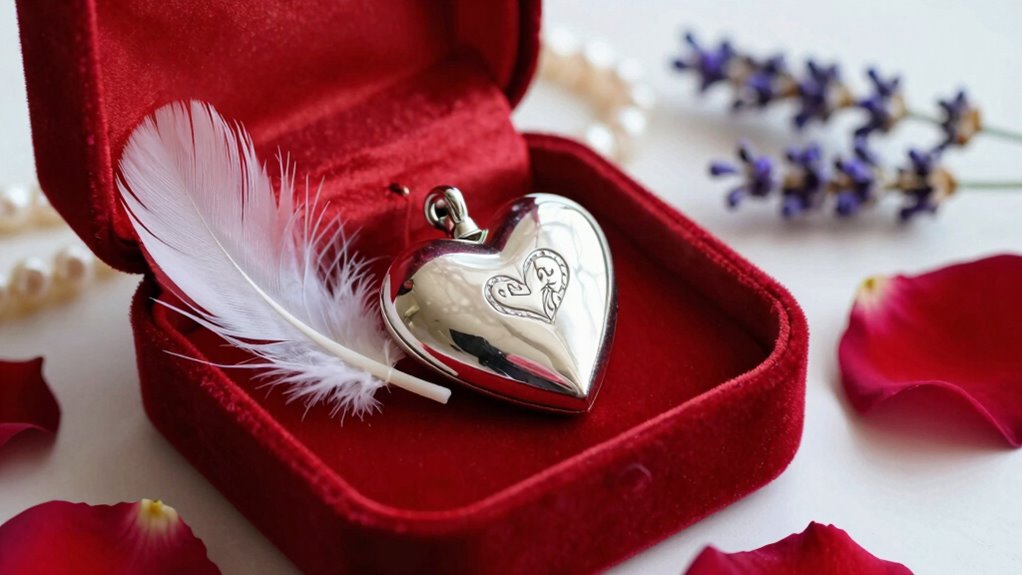
Valentine symbols have long been used to express love, affection, and romantic intentions, often carrying meanings that go beyond words. When you see symbols like hearts, roses, or Cupid’s arrow, you’re witnessing centuries of tradition and cultural significance woven into these images. Understanding their historical origins helps you appreciate why these symbols resonate so deeply, and recognizing their cultural variations reveals how different societies interpret and celebrate love through visual language.
Valentine symbols carry deep cultural meanings, reflecting centuries of tradition and diverse interpretations of love worldwide.
The heart, perhaps the most universal Valentine symbol, traces back to ancient Greece and Rome, where it was associated with life, vitality, and emotional depth. Over time, it became a symbol of romantic love, especially during the Middle Ages, when courtly love flourished. You might notice that in Western cultures, the heart is used to express feelings of love, affection, and compassion, often depicted in art, jewelry, and greeting cards. But in other parts of the world, the heart may carry different connotations or be represented through other symbols altogether. For example, in some Asian cultures, the lotus flower signifies purity and spiritual awakening, while in Japan, the cherry blossom symbolizes fleeting beauty and transient love. These diverse interpretations highlight how symbolic meanings can vary across cultures, reflecting the importance of cultural context in understanding symbols of love.
Roses, another iconic Valentine symbol, have a rich history rooted in both mythology and tradition. In ancient Greece and Rome, roses were linked to Aphrodite and Venus, gods and goddesses of love. The thorns associated with roses serve as a reminder that love can be beautiful yet painful. Today, red roses symbolize deep romantic passion, but in different cultures, roses can convey different emotions. White roses often stand for purity and new beginnings, while yellow roses can represent friendship or joy in some regions. The cultural variations in rose symbolism emphasize how a simple flower can carry diverse meanings worldwide. Additionally, the cultivation and gifting of roses have played a significant role in cultural traditions related to expressing love and affection through history.
Cupid, the Roman god of love, is another prominent symbol. His bow and arrow symbolize the power to strike love into someone’s heart. Historically, Cupid’s origins can be traced back to classical mythology, where he was seen as a playful yet powerful figure influencing romantic fate. In modern times, you’ll see Cupid in Valentine’s cards, decorations, and art, embodying the playful yet profound nature of love. Different cultures may interpret Cupid differently or have analogous figures representing love’s playful or fateful aspects, showcasing how mythology and tradition shape Valentine symbols across societies. Notably, the enduring significance of Cupid highlights how mythology can influence cultural symbolism related to love, and how these stories continue to shape contemporary expressions of affection.
As an affiliate, we earn on qualifying purchases.
Frequently Asked Questions
How Did the Heart Become a Symbol of Love?
You might find it interesting that the heart became a symbol of love through romantic symbolism rooted in historical origins. Ancient Greeks and Romans associated the heart with emotion and the soul, believing it was the center of love. Over time, artists and writers emphasized this connection, making the heart a universal emblem of affection. Today, that symbolism endures, representing love and romance across cultures and celebrations like Valentine’s Day.
What Is the History of Cupid’s Arrow?
You learn that Cupid’s arrow has mythological origins rooted in Roman mythology, where it symbolizes love’s power to strike unexpectedly. In cultural variations, the arrow often represents desire and attraction across different societies, sometimes with different meanings or associated deities. You see how Cupid’s arrow, a symbol of love‘s unpredictable nature, has evolved through history, embodying the idea that love can strike suddenly and irresistibly, regardless of cultural differences.
Why Are Roses Associated With Valentine’s Day?
You associate roses with Valentine’s Day because of their rich flower symbolism, which represents love and passion. Cultural traditions have long celebrated roses as a symbol of romance, dating back centuries. When you give or receive roses, you’re participating in a tradition that conveys deep affection. Their vibrant colors and fragrant blooms make roses the perfect way to express your feelings on this special day, reinforcing love’s timeless language.
What Does the Color Red Symbolize in Love?
Red symbolizes passion and deep love through color symbolism, making it a powerful way for you to express your emotions. When you give or wear red, you’re showcasing intense feelings and romantic desire. Red also signifies strength and courage in love, helping you communicate your heartfelt intentions. Its vibrant hue makes it the perfect choice for celebrating affection, showing that your emotional expression runs deep and genuine.
How Did the X and O Become Symbols of Kisses and Hugs?
You might think the X and O are just symbols, but they’re so much more—they’re the heart’s language! The X, resembling a handwritten signature in Medieval manuscripts, became a sign of sincerity and love. The O stands for a hug, embracing all your feelings. Together, they symbolize kisses and hugs, a heartfelt way to communicate affection across time, connecting you with centuries of lovers who used these symbols to express their deepest emotions.
Conclusion
As you now see, these symbols are more than just pretty tokens—they’re the heartbeat of love’s language, each telling a story as old as time. When you give a heart or a rose, you’re whispering secrets only lovers understand. Think of these symbols as bridges, connecting hearts across distances and time. So next time you exchange one, remember, you’re not just sharing an object—you’re sharing a piece of eternity, woven into the fabric of love itself.
Halloween Picks
halloween
As an affiliate, we earn on qualifying purchases.