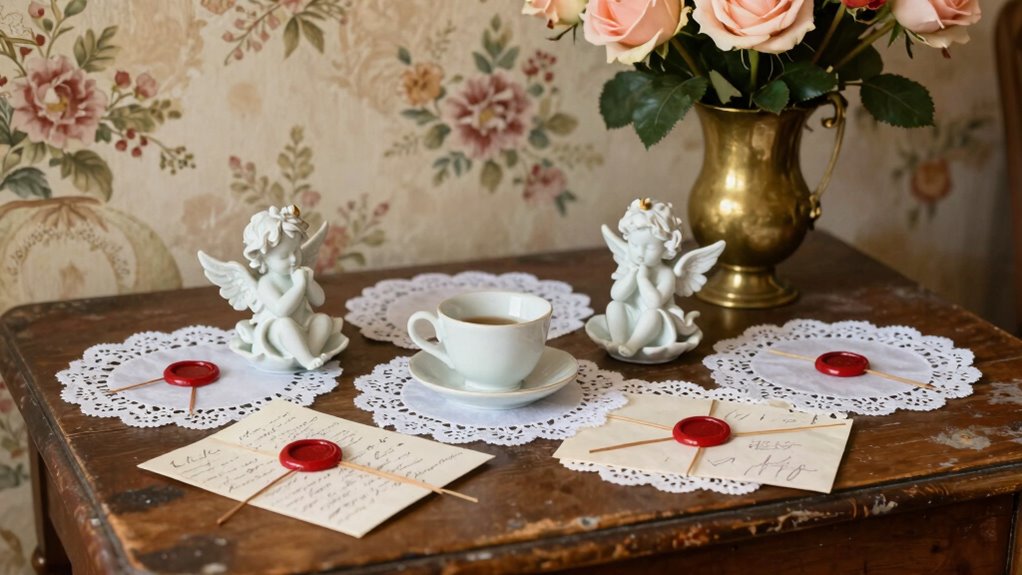

Many old Valentine traditions still shape how you celebrate love today. You might exchange handwritten notes or love letters, a practice that dates back to ancient times when expressions of admiration were often anonymous. Thoughtful gifts like flowers, jewelry, or personalized keepsakes also have roots in medieval customs. These small acts continue to emphasize genuine connection and thoughtfulness. If you want to explore more about these enduring traditions and how they influence modern celebrations, there’s plenty more to discover.

Get decor and gifts delivered free with Prime
- Fast, free delivery on millions of items
- Prime Video, Amazon Music and more included
- Member-only deals all year
Key Takeaways
- Medieval gift exchanges laid the foundation for modern tokens of love like flowers and jewelry.
- Handwritten love notes and cards originated from ancient customs of personal, secret expressions of affection.
- Romantic gestures such as surprise dates have roots in medieval courtship traditions.
- Using symbols like roses and chocolates today reflects longstanding cultural associations with love.
- Small, thoughtful acts remain central, echoing historical emphasis on personal and tangible expressions of affection.
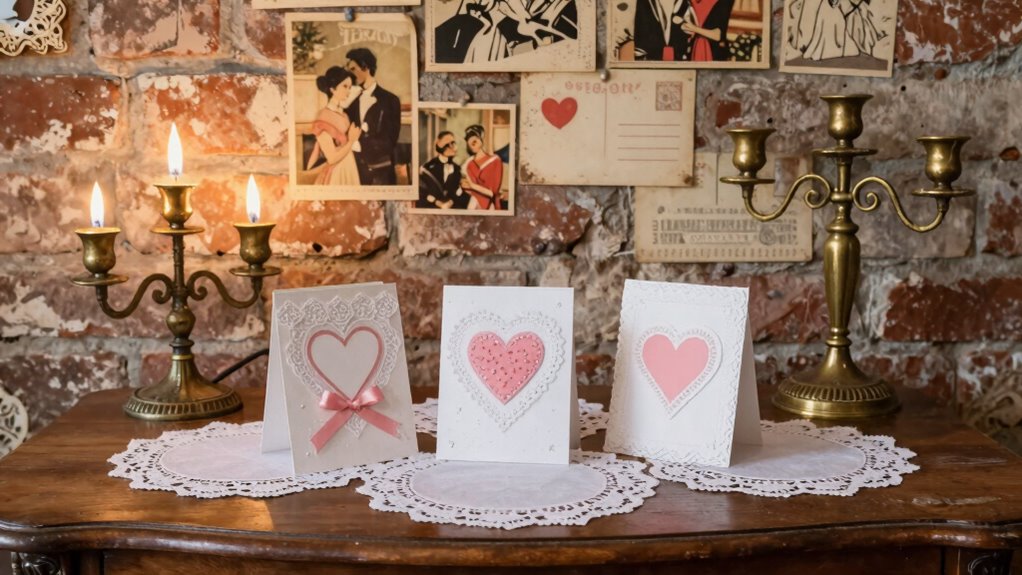
Valentine’s Day is celebrated around the world with various customs, many of which have roots that date back centuries. As you prepare to mark the occasion, you might notice how some of these traditions still influence modern celebrations. One of the most enduring practices is performing romantic gestures that express your affection. These gestures, whether they’re simple acts like writing a heartfelt note or more elaborate displays like planning a surprise date, harken back to medieval times when lovers would exchange tokens of love. Today, you might think of these gestures as modern romance, but they’re rooted in centuries-old customs designed to demonstrate sincere feelings and deepen emotional bonds. The idea of expressing love through tangible actions remains central, whether it’s through a handwritten letter or a thoughtful act that shows you care.
Gift giving customs are another tradition that has persisted through the ages. Historically, people exchanged small tokens such as handmade cards, flowers, or jewelry to symbolize their affection. This practice originated in the Middle Ages, when lovers would send love notes called “valentines,” often accompanied by a gift. Over time, these gift exchanges became more elaborate, evolving into the wide variety of presents you see today—ranging from chocolates and roses to personalized keepsakes. The core idea remains the same: giving a gift as a symbol of love and appreciation. When you select a gift for someone special, you’re participating in a tradition that has been celebrated for centuries, conveying your emotions without words. This act, simple yet meaningful, continues to be a cornerstone of Valentine’s Day, emphasizing the importance of thoughtfulness and personal connection.
Even the practice of exchanging cards, or “valentines,” traces back to these ancient customs. In the past, handwritten notes expressed admiration and affection, often anonymously, creating a sense of mystery and anticipation. Today, greeting cards still serve as a popular way to share your feelings, with many featuring romantic messages that echo those old sentiments. These traditions of giving romantic gestures and gift giving customs have helped shape the way you celebrate love today. They remind you that love isn’t just about grand declarations but also about small, consistent acts of kindness and thoughtfulness. Recognizing how biodiversity and the preservation of natural symbols have influenced cultural practices can deepen your appreciation for these enduring customs. The historical origins of these customs highlight how long-standing traditions continue to influence modern expressions of love. As you partake in these customs, you’re participating in a centuries-old celebration of affection that continues to connect people across generations.
personalized jewelry for Valentine's Day
As an affiliate, we earn on qualifying purchases.
As an affiliate, we earn on qualifying purchases.
Frequently Asked Questions
How Did Early Valentine’s Day Symbols Originate?
You might not realize, but the historical symbolism of Valentine’s Day symbols comes from rich cultural origins. For example, the heart symbol dates back to ancient Greece and Rome, representing love and emotion. Cupid, the winged archer, originates from Roman mythology, symbolizing desire. These symbols evolved over centuries, blending cultural influences and religious traditions, shaping modern Valentine’s Day as a celebration of love rooted in deep historical symbolism.
Are There Regional Differences in Old Valentine Traditions?
You’ll find regional differences in old Valentine traditions, with about 60% of countries having unique customs. In some regions, couples exchange handwritten notes, while others celebrate through communal festivities or specific symbols like love knots. These cultural variations reflect local history and beliefs, shaping how Valentine’s Day is celebrated worldwide. Understanding these regional customs offers a richer perspective on the holiday’s diverse, enduring traditions.
When Did Exchanging Valentine Cards Become Popular?
You might be surprised to learn that exchanging Valentine cards became popular during the 19th century, but it has roots in historical card exchanges from the medieval courtship era. During that time, lovers sent handwritten notes and tokens of affection. As printing technology advanced, mass-produced cards gained popularity, making it easier for more people to participate in this romantic tradition. Today, those historic practices still influence how we celebrate Valentine’s Day.
What Ancient Cultures Influenced Valentine’s Day Customs?
You might not realize it, but ancient cultures like the Romans and Greeks heavily shaped Valentine’s Day customs. Roman Valentine’s folklore, involving love and fertility rituals, and Greek romantic rituals, celebrating divine love, laid the groundwork for today’s celebrations. These cultures emphasized passionate connections, influencing traditions like exchanging love tokens. Their timeless romantic rituals continue to inspire modern expressions of affection, making Valentine’s Day a magnificent celebration of love across ages.
Do Any Old Traditions Still Involve Specific Valentine’s Day Foods?
Yes, some old traditions still involve specific Valentine’s Day foods. You might indulge in a romantic dessert like heart-shaped chocolates or pastries, which symbolize love. Love-themed beverages, such as pink or red cocktails and sparkling drinks, are also popular for celebrating. These foods and drinks continue to evoke romance and affection, keeping ancient customs alive while adding a festive touch to modern Valentine’s Day celebrations.
Conclusion
As you celebrate Valentine’s Day today, remember that these ancient traditions are the roots that still nourish modern love stories. Like a timeless song echoing through generations, they remind us that love’s expression is ever-evolving but always connected to its history. Embrace these customs with a heart full of gratitude, knowing you’re part of a beautiful tapestry woven through centuries. Keep the love alive—it’s the most enduring tradition of all.
Halloween Picks
halloween
As an affiliate, we earn on qualifying purchases.