
In a securely attached relationship, you trust your partner and feel comfortable sharing your thoughts and feelings without fear of judgment. You set healthy boundaries, communicate openly, and respect each other’s independence. When conflicts arise, you approach them with patience and understanding, avoiding blame or withdrawal. You maintain a strong sense of self while feeling safe and supported. If you explore further, you’ll discover how these qualities foster lasting, fulfilling connections.

Get decor and gifts delivered free — and shop member deals
- Fast, free delivery on millions of items
- Access to Prime Big Deal Days deals on October 6–7
- Prime Video, Amazon Music and more included
Key Takeaways
- Partners trust each other, openly share feelings, and respect boundaries without feeling threatened or overwhelmed.
- Conflicts are approached calmly, with both individuals listening and working toward understanding rather than blame.
- Individuals maintain their personal identity and pursue goals independently within the relationship.
- There is a healthy balance of closeness and independence, fostering mutual support without dependency.
- Both partners feel safe, valued, and confident in expressing vulnerabilities without fear of judgment.
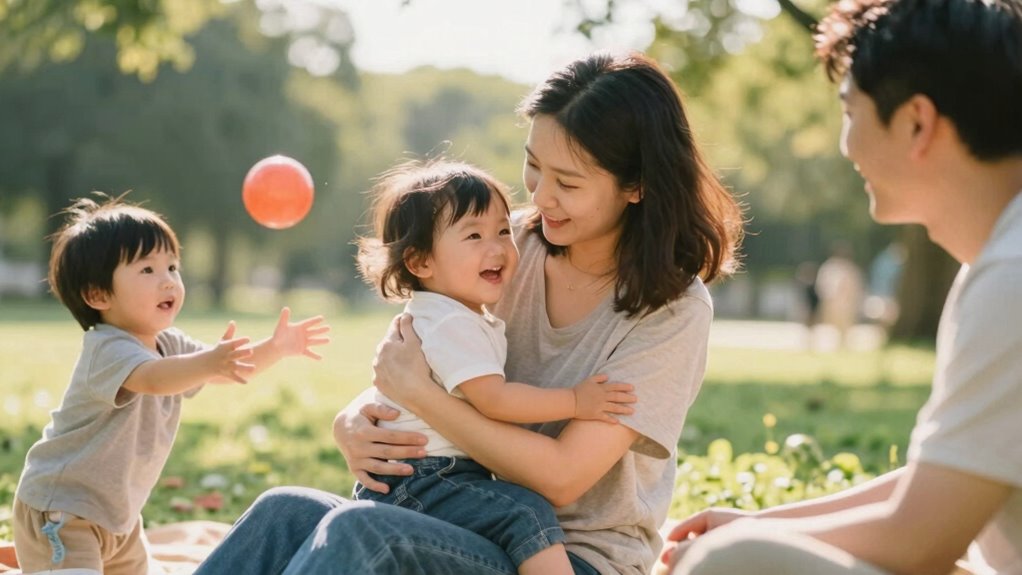
Have you ever wondered what it truly looks like to form a secure attachment in everyday life? It’s more than just feeling close to someone; it’s about building a relationship rooted in trust, mutual respect, and understanding. When you have a secure attachment, you’re able to connect deeply without losing your sense of self. You know that you can rely on your partner or loved ones, but you also feel confident maintaining your emotional independence. This doesn’t mean you don’t need others; instead, it means you’re comfortable with both closeness and independence. You’re able to share your thoughts, feelings, and vulnerabilities without fear of judgment, knowing that your partner values you for who you are.
In practice, secure attachment shows up in how you handle your boundaries. You don’t let your needs be ignored or dismissed, nor do you push others away out of fear. Instead, you set healthy boundaries that protect your emotional well-being while respecting theirs. For example, if you need time alone to recharge, you communicate that clearly without guilt or resentment. Your partner respects this, understanding that your independence makes the relationship stronger. Likewise, you’re attentive to their boundaries, recognizing that mutual respect is essential for trust. This balance allows both of you to feel safe and valued, fostering a sense of security that’s not dependent on controlling or over-relying on each other. Developing secure attachment involves cultivating emotional independence and resilience, which are key to healthy relationships. Recognizing the importance of trust and mutual respect is fundamental, as it creates a foundation for lasting intimacy.
Having a secure attachment also means you’re resilient in the face of conflict or stress. When disagreements arise, you approach them with openness rather than defensiveness. You’re willing to listen and understand your partner’s perspective, even if it differs from your own. You don’t take things personally, nor do you withdraw emotionally. Instead, you stay connected, working through issues with patience and compassion. This capacity comes from a solid sense of self and confidence in your worth, which is a hallmark of emotional independence. You’re able to maintain your identity outside the relationship while still feeling deeply connected.
Secure attachment fosters resilience, openness, and compassion during conflicts, strengthening connections and supporting emotional independence.
Ultimately, secure attachment in real life creates a sense of stability and trust that allows both partners or loved ones to thrive. You’re free to be yourself, knowing that your emotional needs are understood and respected. You’re confident enough to pursue your goals without feeling guilty, knowing that your relationships support your growth. This balance of closeness and independence is what truly defines secure attachment, enabling you to enjoy healthy, fulfilling connections that stand the test of time.
secure attachment relationship book
As an affiliate, we earn on qualifying purchases.
As an affiliate, we earn on qualifying purchases.
Frequently Asked Questions
Can Someone Develop Secure Attachment Later in Life?
Yes, you can develop secure attachment later in life. Your attachment styles are not fixed; with effort, you can improve emotional regulation and build healthier relationships. By understanding your patterns, practicing self-awareness, and seeking therapy or support, you can foster secure attachment traits. It’s a gradual process, but with commitment, you’ll notice increased trust, better communication, and stronger connections, leading to a more secure and fulfilling emotional life.
How Does Secure Attachment Influence Romantic Relationships?
Secure attachment fosters trust, openness, and emotional resilience in your romantic relationships. With this style, you’re more likely to communicate honestly, handle conflicts calmly, and bounce back from setbacks stronger than before. Attachment styles shape how you connect and respond, so when you develop secure attachment, you build deeper bonds, cultivate intimacy, and create a supportive partnership. Ultimately, secure attachment helps you nurture love, stay resilient, and grow together through life’s ups and downs.
Are There Signs of Insecure Attachment Disguised as Secure?
Yes, signs of insecure attachment can be disguised as secure. You might display attachment behaviors like dependency or avoidance, but it’s often a facade for emotional resilience struggles. For example, you may seem confident but secretly fear abandonment or rejection. Recognizing these signs helps you understand that true security involves healthy emotional resilience, allowing you to navigate relationships with genuine openness rather than guarded behaviors.
How Does Childhood Trauma Affect Secure Attachment Formation?
Childhood trauma can disrupt secure attachment formation, making it harder for you to trust others. For example, if you experienced neglect or abuse, you might develop anxious or avoidant attachment styles as a way to cope. These attachment styles stem from early experiences that shaped your view of relationships. Trauma creates emotional barriers, so forming healthy, secure bonds later in life often requires healing and therapy to rewire those attachment patterns.
Can Secure Attachment Coexist With Independence?
Yes, secure attachment can coexist with independence. When you develop a secure attachment, you learn emotional regulation and trust building, which allows you to feel confident on your own while maintaining healthy relationships. You trust others and yourself, enabling independence without fear of abandonment. This balance helps you navigate life’s challenges, fostering resilience and self-reliance, while still valuing emotional connections and support when needed.
Conclusion
Think of secure attachment like a sturdy lighthouse guiding ships safely ashore. When you trust yourself and others, you become that beacon—steady, dependable, and reassuring. You’re not afraid to show your light, even in storms, because you know it will be there to guide you back. With this foundation, your relationships become safe harbors—places where love and trust flourish, and you can navigate life’s waves with confidence, knowing your light will always shine through.
Fall Picks
fall essentials
As an affiliate, we earn on qualifying purchases.