
TL;DR

Get decor and gifts delivered free with Prime
- Fast, free delivery on millions of items
- Prime Video, Amazon Music and more included
- Member-only deals all year
A Livingetc feature reports that Instagram, TikTok and YouTube are helping bring Christmas village displays to a wider audience and inspiring younger creators. Collectors describe the hobby as tied to family memories, while one collector says secondhand Department 56 pieces have become harder to find and more expensive.
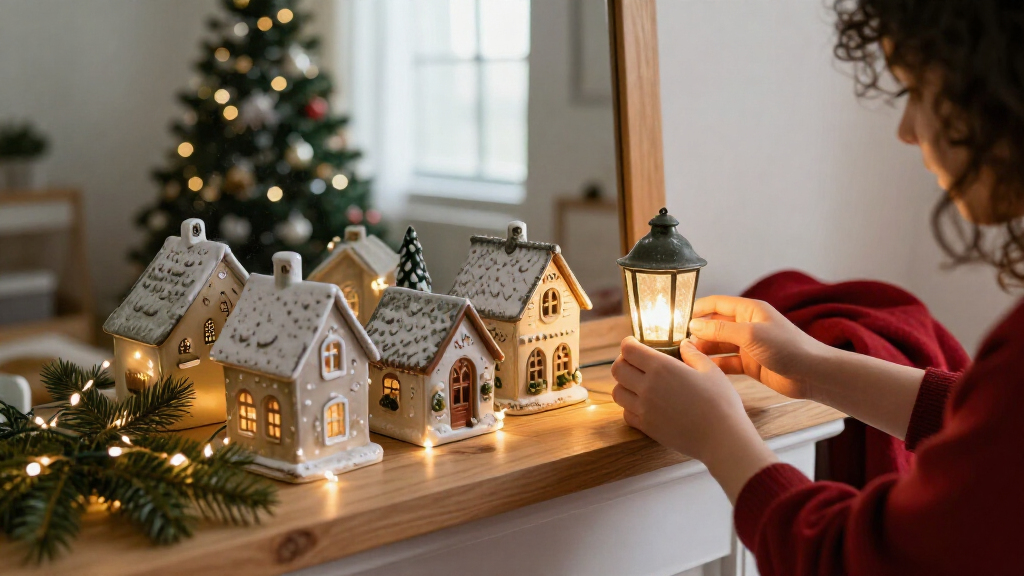
Social media is bringing renewed attention to Christmas village displays, according to a Livingetc report on collectors and creators who share their miniature holiday scenes online. The trend is giving traditional decorations, including Department 56 collectibles, a fresh audience while linking the hobby to family memories and a growing interest in homes with a personal, lived-in feel.
The report says Instagram, TikTok and YouTube have helped revive interest in the hobby and encouraged a new wave of festive scene creators, including younger people. Collectors post arrangements of miniature houses and seasonal figures, while online groups and social accounts connect enthusiasts who might otherwise display their collections at home without a wider audience.
One collector profiled, Holly Hessler Lubrano, known online as @villageatrois, has nearly 300 Christmas village pieces, most from Department 56. She told Livingetc that her interest began with memories of her mother choosing a new piece each Christmas. Lubrano started collecting for herself after finding a Department 56 Victoria Station piece for $20 in Williamsburg, Virginia.
Lubrano said most of her collection came from secondhand sources, including antique stores, Facebook Marketplace and gifts from other collectors. She told the magazine that prices have risen and pieces have become harder to find on the secondhand market. The report does not provide sales figures or market data to measure that change.
Online Displays Bring Collectors Together
The social media attention matters because it turns a largely home-based seasonal hobby into a shared creative practice. Posts can show how collectors arrange, light and expand their scenes, while helping older pieces find new homes when owners downsize or no longer want to set up a display. Lubrano told Livingetc that people have given her pieces from their collections, allowing those objects and the memories attached to them to remain in use.
The report also links the appeal of Christmas villages to a broader interest in interiors that feel personal rather than newly assembled. Miniature scenes offer collectors a way to tell stories through objects, but the article presents this as an interpretation of the trend, not as a measured shift in the home-decor market.
Popular right now

Breville Barista Pro Espresso Machine with Grinder, Brushed Stainless Steel

Vitamix 5200 Professional-Grade Blender, 64 oz. Container, Black

iRobot Roomba Max 715 Pet Robot Vacuum with AutoEmpty Dock
As an affiliate, we earn on qualifying purchases.
From Putz Houses to Department 56
The feature traces Christmas village displays to 18th-century German and Central European traditions. Miniature buildings, known as “putz,” were made from materials such as wood and cardboard. The term comes from the German verb “putzen,” which can mean to decorate or clean, according to the report.
The custom later travelled to the United States with Moravian immigrants and entered the retail market. In 1976, Minneapolis florist Bachman’s produced six miniature porcelain houses under the name The Original Snow Village. The collection was identified as department number 56 in the company’s numbering system; Department 56 is now known for Christmas village collectibles and other seasonal lines.
Today’s displays range from vintage and secondhand pieces to newer decorative houses. The Livingetc feature points to products from retailers including Anthropologie and Fortnum & Mason, alongside Department 56. Its examples show that the look can be polished or closer to the glittered, handmade style associated with older village decorations.
““My mother collected these when I was a kid. So, there’s a real sense of nostalgia.””
— Holly Hessler Lubrano, collector and creator known as @villageatrois, speaking to Livingetc
The Scale of the Revival
The report describes renewed enthusiasm through individual collector experiences and social media activity, but does not establish how large the trend is or whether it has increased Department 56 sales. It gives no platform-wide audience figures, company sales data or comparable historical measures. Lubrano’s account of higher secondhand prices reflects her experience; the article does not provide resale-price statistics or show how prices have changed over time.
It is also unclear whether Department 56 plans to support the resale market. Lubrano expressed a wish for the company to do more, but the source reports no company response or announced programme.
Collectors Keep Building Their Displays
The immediate next step described in the report is continued activity among collectors: people share displays online, add pieces over time and pass older decorations to other enthusiasts. Lubrano said she had been curious about Department 56 clubs, where committed fans meet, though the feature does not say whether she attended one.
No new Department 56 initiative or scheduled industry announcement is identified in the source. For now, the clearest sign of the trend is the growing visibility of individual displays and the community exchanges around them, rather than verified market-wide growth.
Key Questions
What is driving renewed interest in Christmas villages?
The Livingetc report points to Instagram, TikTok and YouTube, where collectors share their displays and inspire other people to create miniature festive scenes.
What is Department 56?
Department 56 is a company known for Christmas village collectibles and seasonal lines. Its history in the report begins with a six-house collection released by Minneapolis florist Bachman’s in 1976.
Are Department 56 pieces getting more expensive?
Collector Holly Hessler Lubrano told Livingetc that secondhand pieces had become harder to find and that prices had risen. The report provides no wider pricing data, so it does not establish a market-wide trend.
How did Christmas village displays begin?
The feature traces the tradition to miniature “putz” houses made in parts of Europe, using materials such as wood and cardboard. The practice later travelled to the United States with Moravian immigrants.
Source: livingetc.com