
TL;DR

Get decor and gifts delivered free with Prime
- Fast, free delivery on millions of items
- Prime Video, Amazon Music and more included
- Member-only deals all year
For reservations booked on or after Nov. 20, 2026, Airbnb will require hosts to disclose house rules and checkout requests before guests book. Hosts generally cannot require chores such as stripping beds, doing laundry or washing and putting away dishes, though guests may still be asked to complete simpler tasks and leave the property reasonably tidy.
Airbnb will limit the checkout chores hosts can require and require them to show house rules and checkout instructions before a guest books, under a policy that applies to reservations made on or after November 20, 2026. The change addresses a common source of guest complaints: unclear or lengthy cleaning lists that can turn the last morning of a stay into a series of chores, sometimes alongside a cleaning fee.
Under the new rules, hosts generally cannot require guests to strip beds, start laundry, wash and put away dishes, or take rubbish to an off-site disposal location. Hosts may still ask for simpler steps, including placing dirty dishes in the sink, gathering used towels, or putting rubbish and recycling into designated bins. Guests may also be asked to switch off lights or return keys.
Airbnb says hosts must make their house rules and checkout requests visible before booking. Guests will also be able to find the instructions in the Trips tab and reservation reminders. Hosts will not be allowed to add new checkout requirements after a booking is confirmed through messages or signs inside the rental.
The policy distinguishes between rules guests must follow and requests hosts are encouraged to make. Airbnb’s announcement says, “Guests must follow hosts’ house rules, and are encouraged to comply with hosts’ requests.” Guests remain responsible for leaving a home reasonably tidy and for damage beyond normal wear and tear. Hosts can continue to charge standard cleaning fees and seek reimbursement for unexpected cleaning costs or damage.
Fewer Chores at Checkout
The change sets clearer limits on what a guest can be asked to do before leaving, addressing a tension between cleaning fees and checkout chore lists. For travelers, knowing the expectations before paying could make it easier to compare listings and avoid discovering extra requirements on the final morning.
It also gives Airbnb a defined process for handling checkout requests that conflict with its policy. The company says hosts who do not comply may receive warnings or be asked to update their listings. Repeated violations may result in notices on listings or lower placement in search results. Hosts can appeal requests that Airbnb flags.
The change does not remove cleaning fees or make guests responsible for no upkeep. It narrows the permitted required tasks while leaving hosts able to request basic tidying and hold guests accountable for excessive mess, damage, or unusual cleaning costs. That distinction will matter to both sides as the new policy is put into practice.
Popular right now
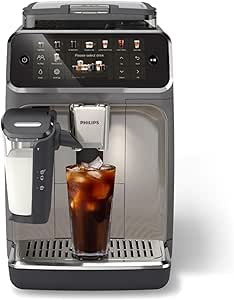
Philips 5500 Series Fully Automatic Espresso Machine with LatteGo

DeLonghi Rivelia Automatic Espresso Machine Bundle with Grinder and Frother, Beige

Dyson Cyclone V10 Origin Cordless Vacuum
As an affiliate, we earn on qualifying purchases.
How Airbnb Handles Checkout Rules
Airbnb stays can include different checkout instructions, and the Family Handyman report says guests have sometimes encountered requests to wash dishes, handle laundry, or take out trash. The report describes these lists as a source of frustration, particularly when guests have a limited checkout window and have already paid a cleaning fee. It also links the debate to travelers’ interest in hotels, where service and fees may feel more consistent; that is the report’s framing, not a quantified finding in the policy announcement.
Airbnb’s existing guest ground rules require guests to avoid excessive mess and take responsibility for damage beyond ordinary wear and tear. The new policy changes how hosts communicate expectations and which chores they may require; it does not remove those broader responsibilities. Airbnb says local circumstances may create exceptions, such as bear-safe rubbish disposal requirements or water restrictions during drought.
Some hosts oppose the limits. The source report notes that some consider washing dishes a reasonable guest responsibility, while others worry restrictions could raise cleaning costs. It also reports that a Change.org petition has called for Airbnb to reverse its restrictions on required dishwashing. These reactions reflect a dispute about the policy, not a change to its announced terms.
“House Rules are now displayed more prominently on your listing, where guests can easily see them before they book.”
— Airbnb
How Exceptions Will Apply
The announcement describes the rules in general terms, but the available source material does not explain how Airbnb will decide every borderline case. It is not yet clear how the company will distinguish a prohibited chore from a reasonable request when a listing’s wording is disputed, or how consistently the rules will be enforced across different locations.
Airbnb has identified possible exceptions related to local conditions, including wildlife-safe rubbish disposal and drought restrictions, but the supplied material does not give a full list or explain how hosts must document those cases. The policy also leaves standard cleaning fees and reimbursement claims in place, so the change does not settle broader disagreements over whether a fee is reasonable or when extra cleaning costs should be charged.
Rules Take Effect in November
The new requirements apply to reservations booked on or after November 20, 2026. Until then, guests can review a listing’s house rules and checkout instructions before booking, and contact Airbnb if they encounter unexpected chores or requests that appear to violate the policy.
Hosts will need to make their requirements clear in their listings and follow the limits on required tasks. Airbnb says it may ask hosts to revise non-compliant listings and may impose further listing consequences for repeated violations; hosts can appeal flagged requests. How often those steps are used, and how the rules affect cleaning practices and fees, will become clearer after the policy takes effect.
Key Questions
When do Airbnb’s new checkout rules apply?
They apply to reservations booked on or after November 20, 2026.
Which checkout chores can hosts generally no longer require?
Hosts generally cannot require guests to strip beds, start laundry, wash and put away dishes, or take rubbish to an off-site disposal facility.
Can hosts still ask guests to tidy up?
Yes. Hosts may request basic tasks such as putting dishes in the sink, gathering towels, using designated rubbish and recycling bins, switching off lights, or returning keys. Airbnb says guests must follow house rules and are encouraged to comply with requests.
Can Airbnb hosts still charge cleaning fees?
Yes. The policy allows standard cleaning fees and requests for reimbursement for unexpected cleaning costs or damage. It does not allow hosts to impose their own fines for missed chores or restrict access to amenities included in a reservation.
What can guests do if they encounter a checkout rule that violates the policy?
Guests can contact Airbnb for help if they encounter unexpected chores or requests that appear to violate the new rules.
Source: rss