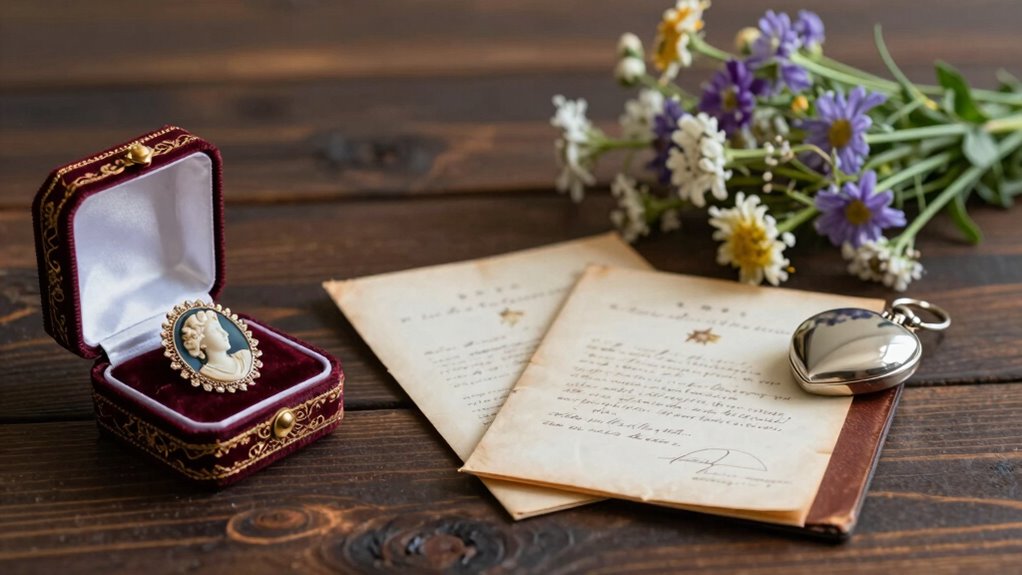

Throughout history, romantic gift giving has shifted from ancient symbols of protection and loyalty, like jewelry and amulets, to modern tokens of love such as flowers, chocolates, and jewelry. Cultures worldwide have shaped these practices, emphasizing harmony, respect, and societal values. Over time, the focus moved from community or status to personal expression and affection. If you keep exploring, you’ll discover how these traditions continue to evolve and influence today’s romantic gestures.

Get decor and gifts delivered free with Prime
- Fast, free delivery on millions of items
- Prime Video, Amazon Music and more included
- Member-only deals all year
Key Takeaways
- Ancient gift-giving was rooted in religious and spiritual symbolism, representing protection, loyalty, and divine favor.
- Cultural norms dictate appropriate gift types and timing, reflecting societal values and social hierarchies.
- Romantic gift practices shifted from communal displays to personal tokens like flowers and jewelry in the 19th and 20th centuries.
- Specific gifts and their timing carry symbolic meanings, such as trust or prosperity, across different cultures.
- Societal resources and evolving traditions influence the materials and significance of romantic gifts over time.
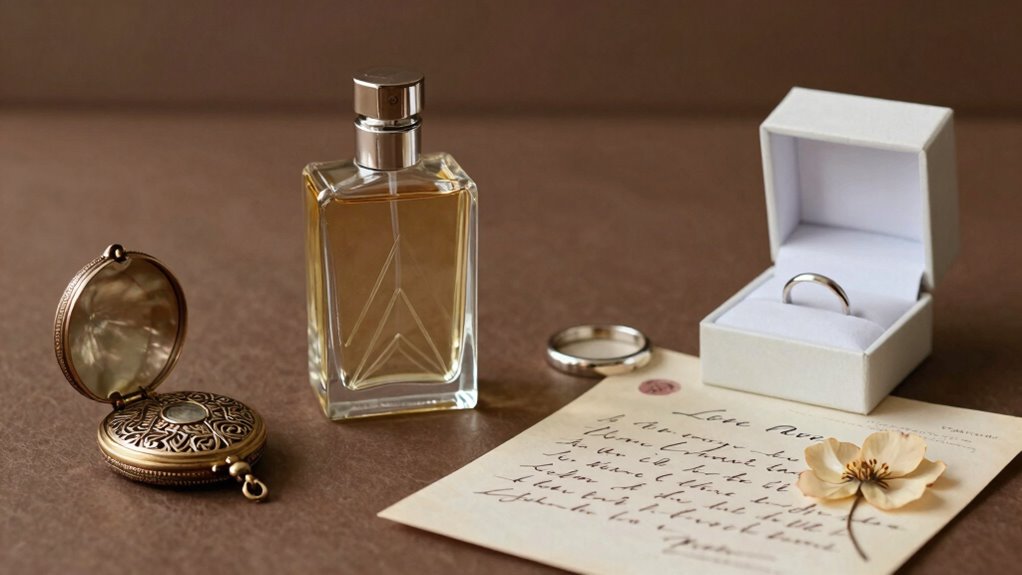
Throughout history, the act of giving romantic gifts has served as a powerful expression of love, devotion, and social connection. From ancient customs to modern traditions, the ways in which people exchange tokens of affection reveal much about their cultural values and societal norms. In ancient times, gift-giving often carried symbolic meanings rooted in religious or spiritual beliefs. For example, in ancient Egypt, lovers exchanged jewelry and amulets believed to bring protection and good fortune. These gifts weren’t just tokens of affection—they held deeper significance tied to divine or mystical powers. Similarly, in ancient Greece and Rome, gift exchanges during festivals or personal courtship involved items like wreaths, garlands, or even small sculptures, all symbolizing admiration or a pledge of loyalty. These customs highlight how gift-giving was intertwined with rituals and social hierarchies, often serving as public displays of affection or status.
As you explore different cultures, you’ll notice that these customs vary widely, reflecting distinct values and social structures. In some Asian traditions, such as in China and Japan, the act of giving romantic gifts is deeply embedded in social etiquette. Gifts tend to be carefully chosen, often emphasizing harmony and respect, with particular attention paid to the appropriateness of the timing and the symbolism involved. For instance, in Japan, giving a gift that is too extravagant can be seen as insincere, while in China, gifts like jewelry or flowers might symbolize prosperity and good fortune. Meanwhile, in Western societies, the tradition of exchanging flowers, chocolates, or jewelry during Valentine’s Day or anniversaries became popular in the 19th and 20th centuries. These practices often reflect evolving notions of romance—more personal and individualistic—yet still rooted in the universal desire to express affection through tangible tokens.
Throughout history, cultural variations have shaped how romantic gifts are perceived and valued. Some societies emphasize the act of giving as a communal or family affair, while others focus on personal, intimate exchanges. You might find that in certain cultures, the timing and type of gift carry significant meaning—like a handwoven cloth symbolizing trust or a precious stone representing loyalty. These customs evolve over time but continue to serve the core purpose: conveying love, admiration, and devotion. Additionally, the evolution of gift materials over centuries demonstrates how societal priorities and available resources influence what is considered meaningful. Whether rooted in ancient rituals or modern traditions, the language of romantic gift giving remains an essential way to connect emotionally and culturally across generations.
As an affiliate, we earn on qualifying purchases.
Frequently Asked Questions
How Did Cultural Differences Influence Romantic Gift Preferences Historically?
You see, cultural differences shape romantic gift preferences through cultural symbolism and ritualistic exchanges. In some cultures, specific symbols like jewelry or flowers hold deep meaning, representing love or commitment. Rituals, such as gift exchanges during festivals or ceremonies, reinforce bonds. These customs influence what gifts are considered appropriate and meaningful, reflecting cultural values and beliefs. Your choices are often guided by these traditions, making gift-giving a powerful expression of cultural identity.
What Role Did Economic Status Play in Romantic Gift Exchanges?
Economic class considerably influences romantic gift exchanges, as wealth disparity often dictates the size and type of gifts you can give. If you’re from a wealthier class, you might opt for lavish presents to demonstrate status or affection. Conversely, if you’re from a lower economic class, thoughtful or handmade gifts become meaningful symbols of love. Your economic status shapes how you express your feelings through gift-giving, reflecting societal norms and personal circumstances.
How Have Technological Advances Changed Romantic Gift-Giving Practices?
Technological advances have transformed romantic gift-giving by making modern digital gifting easy and instant, allowing you to send gifts online anytime. You also see more personalized gift trends, where you can customize items to reflect your partner’s preferences, making gifts more meaningful. These innovations create more convenience and intimacy, helping you express your love creatively and thoughtfully, even from afar.
Were There Any Forbidden or Taboo Gifts in History?
Yes, there were forbidden tokens and taboo exchanges in history. You’d often avoid giving symbols like knives or sharp objects, as they represented severing bonds. Forbidden tokens also included certain jewelry or items linked to superstitions or cultural taboos, which might bring bad luck or dishonor. You learned to navigate these customs carefully, understanding that some gifts could offend or be seen as inappropriate, even if well-intentioned.
How Did Societal Views on Gender Roles Affect Gift Choices?
A picture is worth a thousand words, and societal norms shape those pictures. You might notice that gender expectations heavily influence gift choices, with society often expecting men to give practical gifts and women to receive tokens of affection. These norms create boundaries, making gift-giving a reflection of traditional roles rather than personal preferences. As a result, societal views on gender roles continue to mold and sometimes limit romantic gestures.
Conclusion
As you reflect on the centuries of romantic gift-giving, imagine each token—a ring, a poem, a delicate flower—like a whisper of love woven into history’s fabric. These gifts aren’t just objects; they’re timeless gestures, echoing hearts across ages. As you hold your own symbol of love today, remember it’s part of a long, glowing thread—connecting souls through time, whispering, “You are cherished,” in a language no words can fully capture.
Halloween Picks
halloween
As an affiliate, we earn on qualifying purchases.